


Renting vs Owning a Home Which Option Offers Better Lifetime Value?
Deciding whether to rent or own a home is one of the most significant financial choices many people face. This decision affects not only your monthly budget but also your long-term financial health and lifestyle. While owning a home is often seen as a path to building wealth, renting offers flexibility and fewer responsibilities. To understand which option offers better lifetime value, it is essential to look beyond the surface and consider all costs involved, including mortgage interest, maintenance, updates, and the opportunity cost of your money.
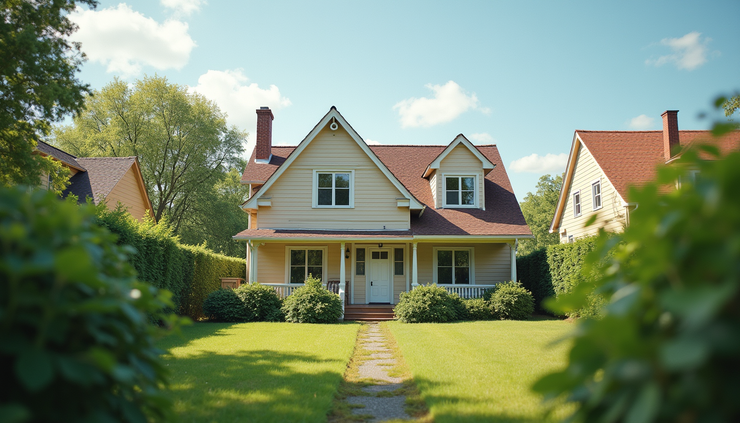
Understanding the Costs of Owning a Home
Owning a home involves more than just the monthly mortgage payment. Many buyers focus on the principal and interest but overlook other significant expenses that accumulate over time.
Mortgage Interest and Principal
When you buy a home with a mortgage, your monthly payment includes both principal and interest. Early in the loan term, interest makes up a large portion of the payment. For example, on a 30-year fixed mortgage at 6% interest, nearly 70% of the first payment goes toward interest. Over the life of the loan, you may pay tens of thousands of dollars in interest alone, depending on the loan amount.
Property Taxes and Insurance
Homeowners must pay property taxes annually, which vary widely by location but often range from 0.5% to 2.5% of the home's assessed value. Homeowners insurance is another recurring cost, protecting against damage or loss. These costs add thousands of dollars annually to homeownership expenses.
Maintenance and Repairs
Unlike renting, homeowners are responsible for all maintenance and repairs. This includes routine tasks like lawn care and HVAC servicing, as well as unexpected repairs such as roof replacement or plumbing issues. The average annual maintenance cost is estimated at 1% to 3% of the home's value. For a $300,000 home, that means $3,000 to $9,000 per year.
Home Updates and Renovations
Over time, homes require updates to remain functional and appealing. Kitchens, bathrooms, flooring, and paint may need refreshing every 10 to 20 years. These updates can be costly but also add value to the property. For example, a kitchen remodel can cost $20,000 or more but may increase resale value by a similar amount.
Opportunity Cost of Capital
Money tied up in a home is not available for other investments. If you put a 20% down payment on a $300,000 home ($60,000), that money could potentially earn returns elsewhere, such as in stocks or retirement accounts. Over 30 years, this opportunity cost can be substantial, depending on market performance.
The Financial Picture of Renting
Renting offers a different financial profile, with fewer upfront costs and less responsibility for maintenance and repairs.
Monthly Rent Payments
Rent is a fixed monthly expense, often increasing annually based on market conditions. Unlike mortgage payments, rent does not build equity but provides housing without the risks of ownership.
No Maintenance or Repair Costs
Renters are generally not responsible for maintenance or repairs, which are handled by landlords. This can save renters thousands of dollars annually and reduce financial uncertainty.
Flexibility and Mobility
Renting allows for easier relocation without the need to sell a property. This flexibility can be valuable for people with changing jobs, family situations, or lifestyle preferences.
Potential to Invest Savings Elsewhere
Renters can invest the money saved from not making a down payment or paying property taxes and maintenance. These investments may grow over time, potentially offsetting the lack of home equity.
Comparing Lifetime Costs: Renting vs Owning
To compare lifetime costs, consider a hypothetical scenario:
Home price: $300,000
Mortgage: 30 years, 6% interest, 20% down payment ($60,000)
Property tax: 1.2% annually ($3,600)
Home insurance: $1,200 annually
Maintenance: 2% annually ($6,000)
Rent for comparable home: $1,800 per month, increasing 3% annually
Investment return on down payment and maintenance savings: 6% annually
Total Cost of Owning Over 30 Years
Mortgage payments (principal + interest): Approximately $343,000
Property taxes: $108,000
Insurance: $36,000
Maintenance: $180,000
Updates and renovations (estimated): $50,000
Total: $717,000
Total Cost of Renting Over 30 Years
Rent payments (with 3% annual increase): Approximately $864,000
Investment growth on $60,000 down payment and maintenance savings: Approximately $400,000
Net cost after investment gains: $464,000
This simplified example shows renting can be cheaper over 30 years when factoring in investment returns and rising rent. However, it does not account for home price appreciation or tax benefits of homeownership.
Other Factors to Consider
Home Equity and Appreciation
Owning a home builds equity, which can grow if the property appreciates. Historically, home prices have increased about 3% to 5% annually in many markets. This appreciation can add significant value to the homeowner’s net worth.
Tax Benefits
Homeowners may deduct mortgage interest and property taxes from taxable income, reducing their tax burden. These benefits vary by income and tax laws but can amount to thousands of dollars annually.
Stability and Personalization
Owning a home offers stability and the freedom to customize living space. Renters face restrictions on modifications and may experience uncertainty if landlords decide to sell or raise rent.
Risks of Ownership
Homeowners face risks such as market downturns, costly repairs, and illiquidity. Selling a home can take time and may result in losses if the market declines.
Practical Examples
Young Professional in a Growing City
Renting may be better for someone early in their career who expects to move for job opportunities. The flexibility and lower upfront costs allow saving and investing elsewhere.
Family Settling in a Suburban Area
Owning a home can provide stability, space, and the chance to build equity. The family can benefit from tax deductions and home appreciation over time.
Retiree on a Fixed Income
Renting can reduce maintenance worries and free up capital. Alternatively, downsizing and owning a smaller home may balance costs and lifestyle needs.
Final Thoughts on Lifetime Value
Choosing between renting and owning depends on personal circumstances, financial goals, and lifestyle preferences. Owning a home involves significant upfront and ongoing costs but offers equity building and stability. Renting provides flexibility and fewer responsibilities but no equity accumulation.
Carefully analyze your budget, local market conditions, and long-term plans. Use tools like mortgage calculators and investment growth estimators to compare scenarios. Consulting a financial advisor can also help tailor the decision to your situation.
Ultimately, the better option is the one that aligns with your financial goals and life priorities while providing a comfortable and secure place to live.
Comments